English
 Nederlands
 Deutsch
 Français
 Español
 Italiano
 Português
 Dansk
 Sverige
 Polskie
 中文
All categories



The contents of your shopping cart:Edit
There are no products in your shopping cart
The contents of your quote:Edit
There are no items in your quote yet.
Polishing machine
Make your glasses and cutlery sparkling clean using a polishing machine. This machine makes cleaning your glasses and cutlery much easier. Browse the wide range from top brands such as Bartscher, Combisteel, and Saro.
Active filters:


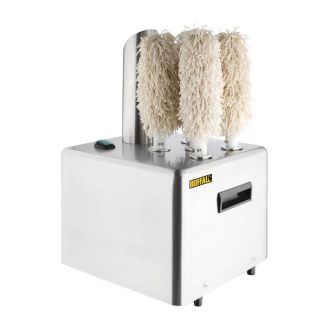


Professional polishing machines for the hospitality industry
With a professional polishing machine, you give glasses and cutlery a polished appearance after cleaning. In restaurants, hotels, cafes, and other hospitality establishments, clean and shiny tableware is an important part of the presentation. A polishing machine can help remove residual moisture, light water stains, and certain surface residues. Depending on the model, the machine is suitable for glasses, cutlery, or a specific application. At Horeca.com, you will find professional polishing machines for the hospitality industry. Compare the available models and choose a solution that matches the amount of glassware or cutlery, the available space, and your daily operations.
What is a polishing machine?
A polishing machine is a professional device used to further dry and polish cleaned glasses or cutlery. This type of machine is used to improve the appearance of clean tableware and reduce manual work. Glass polishing machines and cutlery polishing machines do not work in the same way. For example, a glass polishing machine may use rotating brushes, while a cutlery polishing machine works with a special polishing medium depending on the model. The precise operation varies by model. A polishing machine is intended for the post-treatment of cleaned materials and does not replace a professional dishwasher.
Why choose a professional polishing machine?
Manually polishing glasses and cutlery can be time-consuming, especially when large quantities of clean dishes need to be available during busy service times. A professional polishing machine can help partially automate these tasks. This allows staff to spend more time on other duties in the restaurant, bar, or dishwashing area. Additionally, a suitable machine supports a consistent finish on glassware or cutlery. The final time savings depend on the capacity, the materials used, and the working method. Therefore, choose a model that suits the daily volume of dishes.
Glass polishing machines for restaurants and bars
In restaurants, wine bars, and hotels, various types of glasses are used daily. Think of wine glasses, champagne glasses, beer glasses, and other drinking glasses that require careful processing after cleaning. A professional glass polisher can help remove residual moisture and give the glassware a bright appearance. Depending on the model, special brushes suitable for specific glass shapes are used for this purpose. Always check which glasses may be polished according to the manufacturer. Careful handling is particularly important for thin-walled or fragile glassware to prevent damage or breakage.
Cutlery polishing machines for professional use
A cutlery polishing machine is designed for the finishing of cleaned cutlery, such as knives, forks, and spoons. Depending on the model, cutlery items are guided through a system where they are dried and polished. Some machines use a special polishing medium for this purpose, which must be checked or replaced regularly. A cutlery polishing machine can be beneficial for restaurants, hotels, catering companies, and other businesses that process large quantities of cutlery daily. When making your choice, pay attention to the capacity, suitable material types, and cleaning and maintenance instructions.
The difference between a glass polisher and a cutlery polisher
Although glass polishers and cutlery polishers are both intended for the finishing of clean tableware, they differ in construction and application. A glass polisher is tailored to the shape and fragility of drinking glasses. A cutlery polisher, on the other hand, is designed for processing metal cutlery. Consequently, the polishing technique used and the available capacity can vary significantly. When purchasing a polisher, always check for which material and application the device is designed. A machine for glasses is not automatically suitable for cutlery, and vice versa.
Polishing machines as a supplement to glass washing machines
A professional glass washer takes care of cleaning and rinsing drinking glasses. After the wash cycle, water droplets or visible stains may still be present, depending on the water quality and the drying process. A suitable glass polisher can be used in certain situations for the further finishing of the glassware. However, not every glass needs to be polished. With a well-tuned dishwashing process, natural drying may be sufficient. Therefore, compare the quality of the washing result and the amount of manual polishing required before purchasing additional equipment.
Cutlery polishers for cutlery after the dishwasher
In professional kitchens, cutlery is often cleaned using a front-loading dishwasher or another suitable dishwashing machine. After cleaning, the cutlery can be further dried and polished before being placed back on the table. A professional cutlery polisher can assist with this, especially when many place settings are processed daily. The machine must be suitable for the cutlery material used and the desired capacity. Additionally, check that the cutlery is sufficiently clean before placing it in the polisher. A polisher is not intended to remove food residue or other soiling.
How does a glass polisher with brushes work?
Some professional glass polishing machines are equipped with rotating brushes that help remove moisture from the glass surface. Depending on the model, a heated airflow may be applied to support the drying process. The user places the glass against or between the designated brushes according to the manufacturer's instructions. The construction must be suitable for the shape and dimensions of the glass. Check the direction of rotation, the available brush positions, and the prescribed working method. Correct operation is important for safely handling fragile glassware.
Glass polisher for wine glasses and champagne glasses
Wine and champagne glasses often require extra attention due to their shape, thin glass walls, and long stems. A suitable glass polisher can help to further dry these glasses after cleaning and give them a polished appearance. However, not every machine is suitable for all types of glassware. Therefore, pay attention to the available brush shapes, the spacing between the brushes, and the manufacturer's recommendations. Never force glasses into a machine if the dimensions or construction are unsuitable. For particularly fragile glassware, natural drying or another prescribed method may be the safer choice.
How many glasses or pieces of cutlery can a polishing machine handle?
The capacity of a professional polishing machine depends on the type of device and the way the materials are processed. For glass polishing machines, the time per glass plays a role, while for cutlery polishing machines, throughput capacity can be important. In addition, the practical capacity is influenced by the size of the glasses, the amount of cutlery, and the work involved in feeding and removing items. Therefore, determine how many glasses or pieces of cutlery need to be processed during peak times. Compare the stated capacity of different models and take into account the available staffing.
Polishing machines and the quality of the rinse water
Water quality affects the appearance of glasses and cutlery after washing. When water droplets dry, dissolved minerals can leave visible stains. A polishing machine can help remove certain surface residues, but it does not prevent mineral deposits from forming during washing. With suitable reverse osmosis systems, the amount of dissolved minerals in the rinse water can be reduced. This can decrease the need for manual or machine polishing. Which solution is best depends on the water quality and the desired finish.
The difference between a polishing machine and a drying plate
A polishing machine and a drying tray have different functions in the processing of clean tableware. A drying tray provides a place where cleaned glasses or other suitable materials can drain and dry. Depending on the model, a polishing machine performs an active drying or polishing operation. For companies that primarily need extra space to let glasses dry, a drying tray may suffice. However, when a lot of time is spent finishing glasses or cutlery, a professional polishing machine can be beneficial. The best choice depends on the volume of dishes, the available space, and the desired working method.
Polishing machines and the correct dosage of top coat
A good finish for glasses and cutlery begins with a correctly executed dishwashing process. The dosage of detergent and rinse aid influences the result after washing and drying. With suitable dosing systems, the supply of these agents to the professional dishwasher can be regulated. Incorrect dosing can contribute to streaks, residues, or a less than optimal drying result. Therefore, check the water quality and the dishwasher settings before deciding to purchase additional polishing equipment. A well-tuned cleaning process can limit the required finishing work.
Safe use of professional glass polishing machines
Caution is important when using a glass polishing machine. Thin-walled glasses and glasses with long stems, in particular, can be susceptible to damage. Therefore, check in advance whether the glassware is suitable for machine finishing. Follow the manufacturer's operating instructions and do not apply unnecessary pressure to the brushes. Do not use the machine if the brushes are damaged or parts are not functioning properly. Carefully removing and storing polished glasses also helps to limit breakage and damage. A correct working method is important for both employee safety and the preservation of the glassware.
Maintenance and cleaning of a polishing machine
Regular maintenance helps a professional polishing machine function properly. For glass polishing machines, it is important to clean the brushes according to the manufacturer's instructions and check for wear. For cutlery polishing machines, additional maintenance work may be required, such as checking or replacing the polishing medium. Remove dust and other residues and check accessible parts for damage. Switch off the machine before performing maintenance and follow the safety instructions. A fixed maintenance routine supports the hygienic processing of clean glassware and cutlery.
What should you look out for when buying a polishing machine?
When purchasing a professional polishing machine, it is important to first determine whether you want to polish glasses or cutlery. Next, check the capacity, dimensions, and suitability for the materials used. For glass polishing machines, the brush construction and the supported glass shapes are important considerations. For cutlery polishing machines, factors such as throughput capacity and the polishing medium used play a role. Additionally, pay attention to the electrical connection, maintenance, and available space in the workplace. This way, you choose a polishing machine that suits your daily work and the desired finish.
Buy a professional polishing machine at Horeca.com
Are you looking to buy a professional polishing machine for your restaurant, café, hotel, bar, or catering business? At Horeca.com, you will find polishing machines for drying and polishing suitable glassware and cutlery. Compare the available models based on application, capacity, dimensions, and technical specifications. Whether you are looking for a glass polisher to assist with the processing of wine glasses or a cutlery polisher for larger quantities of cutlery, discover the range of polishing machines at Horeca.com and choose a solution that suits your business!
Customer reviewsgrade is based on 760 reviews


- Independent reviews
- Secure ordering and payment
- Expert advice
- 100% proven reliable
8,9

Alex
14 September 2026
Price, communication, and delivery were all excellent. I will definitely order again.

Patrick
20 August 2026
Clear communication and explanation, via chat, phone, and email; they respond quickly and you don't have to wait minutes before a physical employee responds👍

Patrick
5 August 2026
Fast delivery after our 16-year-old Polar cooler gave up the ghost. Ordered a new one right away. Great cooler for a friendly price.


Terms and ConditionsPrivacyCookie preferences
All prices are exclusive of VAT, unless stated otherwise.